Sous Vide vs Pressure Cooker: Which Fits How You Cook? (October 2026)
Choose sous vide for precise doneness and a pressure cooker for faster meals. The better fit depends on how much time you have and whether you value steady texture or speed.
On this page (9 sections)
- Sous vide vs pressure cooker: which should you choose?
- What does each cooking method do?
- Which method is faster?
- Which gives you more control over doneness?
- How do the textures compare?
- Which appliance takes more attention?
- What equipment does each method need?
- Can you use both appliances in one kitchen?
- Sous vide vs pressure cooker: how do you decide?
Choose sous vide for precise doneness and a pressure cooker for faster meals. The sous vide vs pressure cooker choice depends on the food you make, how much time you have and whether you prefer a controlled water bath or pressure cooking.
Sous vide heats sealed food in circulating water held at a chosen temperature. A pressure cooker uses a sealed pot and pressure to cook food more quickly, making it useful for dishes such as beans, grains and braises.
These methods solve different cooking problems. Sous vide gives you control over the food's target temperature, while pressure cooking is built around shortening cook time.

Sous vide vs pressure cooker: which should you choose?
Choose sous vide when even doneness matters most; choose a pressure cooker when getting a meal cooked quickly matters more. Both can be useful in one kitchen because they suit different foods and schedules.
Sous vide is a good match for steak, chicken, fish, eggs and vegetables when you want control over texture and doneness. The food cooks in a sealed bag in a water bath, so you need time for the bath to heat and the food to cook.
A pressure cooker makes sense for recipes that benefit from high-pressure cooking, including stews, beans and grains. It can cut cooking time for foods that would otherwise simmer or braise for a long time.
If you're new to water-bath cooking, start with our sous vide guide for beginners. It explains the basic equipment and steps before you decide whether the method fits your routine.
What does each cooking method do?
Sous vide uses controlled water temperature; pressure cooking uses steam pressure in a sealed pot. Those differences shape the timing, texture and attention each method needs.
With sous vide, an immersion circulator heats and moves water around sealed food. The water temperature stays close to your chosen setting, and the food warms gradually toward that temperature.
A pressure cooker traps steam as it heats. The resulting pressure lets the food cook at a higher temperature than an open pot, which can shorten the time for many recipes.
Neither method is automatically better for every meal. A pork shoulder for shredding and a steak cooked to a particular doneness have different goals, so the method should follow the result you want.
For more detail on the water-bath method, see how sous vide cooking works. That explanation can help you decide whether the slower, controlled approach sounds useful for your cooking.
Which method is faster?
Pressure cooking is usually the faster option for a complete meal. Sous vide requires time to heat the bath and cook the food, even though the circulator can manage the water while you handle other tasks.
Pressure cookers can make quick work of foods that need long simmering, such as dried beans or a tough cut of meat. The total time still includes pressure build-up and release, so use the recipe's full timing rather than only its stated cook time.
Sous vide can take longer, but it can be convenient when you want a meal ready at a planned time. Set the cooker, prepare the food and use the bath time for other kitchen work.
Don't assume every sous vide cook can be left unattended indefinitely. Food safety and texture depend on the food, temperature and duration; our guide explains whether food can sous vide for too long.
Which gives you more control over doneness?
Sous vide gives you more direct control over the food's target temperature. That makes it a practical choice for steak and other foods where the difference between one doneness and another matters.
In a water bath, the temperature is set for the result you want. Since the food is sealed, its surface and center approach a consistent temperature rather than cooking from the outside inward over direct heat.
Pressure cookers are less suited to precise steak doneness. They excel when the goal is tender food cooked through, not when you want a specific pink center.
For steak, use a food-specific guide such as our sous vide steak temperature and time chart. A controlled bath still needs a finishing step if you want browning, so follow with a hot sear.
How do the textures compare?
Sous vide suits food you want evenly cooked; pressure cooking suits food you want tender and soft. Think about the finished texture before choosing the appliance.
A water bath can cook a steak to an even doneness from edge to edge. Chicken and fish can also benefit from a controlled temperature, though you should follow safe time and temperature guidance for each food.
Pressure cooking breaks down connective tissue and softens ingredients in moist heat. That texture works well in stews and braises, but it isn't the right approach for a crisp-skinned fillet or a medium-rare steak.
Neither method creates a browned crust on its own. A sous vide steak usually needs a quick sear after the bath, while pressure-cooked dishes may need a separate finishing step for thicker sauces or browned ingredients.
Which appliance takes more attention?
Sous vide needs setup and planning, while a pressure cooker needs recipe timing and pressure handling. Neither is completely hands-off, but the work happens at different stages.
For sous vide, you fill a pot or container, attach the circulator, seal the food and set the time and temperature. Keep bags submerged and spaced so water can circulate around them.
A pressure cooker requires attention to its fill limits, pressure release and recipe instructions. Since the pot is sealed during cooking, you can't check or stir the food until pressure is released.
Consider which routine fits how you cook. If you often start dinner late, pressure cooking may feel more practical; if you prep food earlier and want control over doneness, sous vide may be easier to plan.
What equipment does each method need?
Sous vide needs a circulator, a water-holding vessel and a way to seal food; pressure cooking needs a pressure cooker and its matching pot. The right setup depends on your kitchen storage and the recipes you want to make.
An immersion circulator can attach to a pot you already own. You'll also need bags or another suitable way to keep food sealed during cooking.
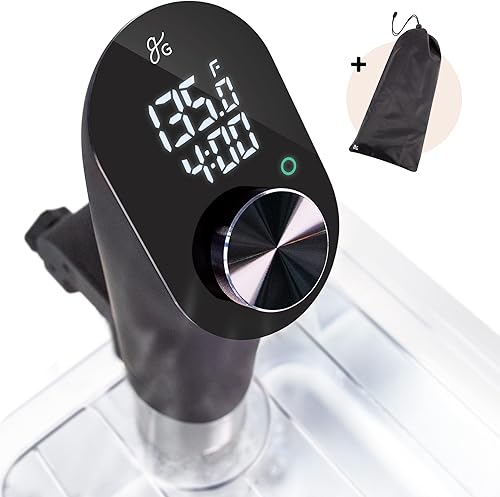
For direct controls without app setup, the Greater Goods cooker uses a twist-and-press dial. It is rated for baths up to 15L.
If you want app control and settings on the cooker, the Anova Precision Cooker 3.0 has both. Its adjustable clamp fits many pots with enough depth.
Pressure cookers take more storage space than an immersion circulator, but they combine the cooking vessel and pressure system in one appliance. Check your cabinet space and the size of the recipes you usually make before buying either type.
Can you use both appliances in one kitchen?
Yes, sous vide and pressure cooking can complement each other. Keep the circulator for precise doneness and use a pressure cooker for dishes that benefit from speed and soft texture.
A pressure cooker can make a stew or batch of beans while sous vide handles steak or chicken for a planned meal. You don't need both unless each one fits dishes you regularly cook.
If counter and cabinet space are limited, start with the method that matches your most common meals. A versatile appliance you use often is more useful than a second device that stays stored.
Sous vide vs pressure cooker: how do you decide?
Pick sous vide if you want controlled doneness and can plan the cook; pick a pressure cooker if you need speed for hearty meals. Choose by the meals you make most often, not by the appliance with the longest feature list.
For a water-bath setup, the Anova Nano 2.0 suits a cook who values compact storage, while the Greater Goods 1100W cooker offers direct dial controls. The Anova Precision Cooker 3.0 adds Wi-Fi and a two-line screen for cooks who want connected control.
If your main goal is tender stew, beans or grains on a shorter schedule, choose a pressure cooker. If your main goal is repeatable doneness for steak, chicken or fish, start with sous vide and learn the basics in our guide to sous vide cooking.
Frequently asked questions
Is sous vide better than a pressure cooker?
Sous vide is better when you want precise doneness and can plan ahead; a pressure cooker is better when speed matters. The methods use different heat sources and timing, so choose based on the dish and how much time you have rather than expecting one appliance to replace the other.
Can sous vide cook food faster than a pressure cooker?
Usually, sous vide is a slower process because the food heats in a temperature-controlled water bath. A pressure cooker is designed to cook many foods quickly under pressure, though actual time depends on the recipe, the cooker and how long it takes to reach pressure.
Does sous vide make food more tender?
Sous vide can help you reach a target doneness across the food, which is useful for items such as steak, chicken and fish. Texture still depends on the cut, temperature and time.
For safe cooking, use reliable time and temperature guidance for the specific food.
Do you need a special container for sous vide?
No, a suitable pot can work with an immersion circulator, as long as it holds enough water and the cooker can attach securely. A dedicated container may be useful for larger or longer cooks; see our guide to choosing a sous vide container.
Which method is easier for weeknight dinners?
A pressure cooker often suits a tight weeknight schedule because it can cook many foods quickly. Sous vide asks you to plan the bath and cook time ahead, but the circulator manages the water temperature while you do other tasks.


