Sous Vide for Beginners: Gear, Steps and First Cooks
Sous vide for beginners starts with a cooker, a pot or container, water, and a sealed food bag. Set the water to a reliable time and temperature for the food, keep the bag submerged, then finish foods such as steak with a quick sear.
On this page (11 sections)
- What gear do you need to start sous vide?
- How does sous vide cooking work?
- How do you sous vide food step by step?
- What time and temperature should beginners use?
- What are easy first foods to cook sous vide?
- Do you need a vacuum sealer for sous vide?
- How do you keep bags from floating or blocking water?
- What should you do after the water bath?
- Can you cook sous vide for too long?
- Which setup should a beginner choose?
- What is the simplest way to start sous vide?
Sous vide for beginners means cooking sealed food in a temperature-controlled water bath. You need a circulator, a pot or container, water, and a bag; after cooking, finish foods like steak with a quick sear if you want a browned surface.
The method makes it easier to cook food evenly to a chosen doneness. It still requires good food-safety habits and a reliable time and temperature, especially for meat, fish, and eggs.
Start with a simple cook, such as a steak or chicken breast, and avoid changing the recipe's temperature or time until you understand the result. Our guide to how sous vide cooking works explains why the bath heats food evenly.
What gear do you need to start sous vide?
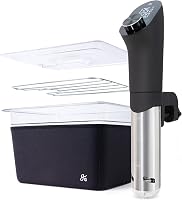
You can begin with four basic items: a sous vide cooker, a container of water, a food-safe bag, and food. Add a lid or rack when your container loses too much water to evaporation or your bags crowd one another.
A cooker, also called an immersion circulator, heats and moves the water to hold a chosen temperature. Many models attach to a pot, so you can start with cookware you already have if it meets the cooker's depth and capacity needs.
A pot works well for a first cook if the bag fits without blocking water circulation. A dedicated container can offer more room and a lid to reduce evaporation, but check that its opening fits your circulator.
A rack is optional for one bag, but it can help keep multiple bags upright and separated. Confirm that the rack fits your container before using it.
For a fuller gear checklist, see our sous vide supplies list. If you are still deciding on a cooker, our guide to choosing a sous vide walks through the questions that affect fit.
How does sous vide cooking work?
Sous vide cooks food in a heated, circulating water bath while the food stays sealed in a bag. The water temperature sets the food's target doneness, while the cooking time allows heat to reach the center.
The water bath transfers heat around the bag. Because the bath stays near the selected temperature, the outer parts of the food are less likely to get much hotter than the center, as can happen with a very hot pan.
The method does not brown food inside the bag. For steak, chicken skin, or other foods where browning matters, dry the surface and use a short, hot sear after the bath.
Read what sous vide cooking does to compare its even doneness and planning needs with other ways of cooking. The method is useful when you want repeatable results, but it does not make every recipe faster.
How do you sous vide food step by step?
To sous vide food, set the bath temperature, seal the food in a bag, and cook it for a trusted recipe's recommended time. Check the water level and bag position before you leave the cooker to run.
- Choose a tested recipe. Use its temperature and time as written, and check that it fits your cut and thickness.
- Fill a suitable pot or container. Leave enough room for water to circulate around the food and meet the cooker’s marked water level.
- Attach the cooker securely. Keep its intake and circulation outlet clear, and follow the model's instructions.
- Set the temperature. Let the bath reach the target before adding the bag unless the recipe says otherwise.
- Season and bag the food. Keep the bag seal clean so it can close fully.
- Lower the bag into the water. Remove excess air with a vacuum sealer or water displacement, and keep the seal above the water.
- Keep the food submerged. Separate bags so water can move around them.
- Cook for the recipe's time. Avoid guessing, especially with foods that need careful time and temperature control.
- Finish or chill the food. Sear food that needs browning, or cool and store it promptly according to food-safety guidance.
Water displacement is a simple way to remove air from a suitable sealable bag. Close most of the bag, lower it slowly into the water so the pressure pushes air out, then seal it before the opening goes under.
If the bag floats or crowds the bath, adjust it before the cook continues. Our guide explains how to keep sous vide bags submerged.
What time and temperature should beginners use?
Use a trusted recipe's time and temperature for the specific food and thickness. There is no single setting that works for every steak, chicken breast, vegetable, or egg.
Temperature affects doneness and texture, while time helps heat the food through. Food safety also depends on the combination of time and temperature, so do not treat the temperature alone as a safety guarantee.
For your first cooks, follow a recipe from a reliable food-safety source or a trusted cooking guide. Avoid changing the temperature to match a preference unless the recipe explains how that changes texture and safety.
Our sous vide steak temperature and time guide covers steak-specific choices. For poultry, use the sous vide chicken temperature guide and follow USDA food-safety wording.
What are easy first foods to cook sous vide?
Steak, chicken, fish, vegetables, and eggs are common starting points because they show how controlled water temperature affects texture. Pick one food and follow a recipe designed for its cut and thickness instead of trying several foods in one crowded bath.
Steak is a straightforward first cook if you already know how you like it. The bath cooks it to the chosen doneness, and a quick sear adds browning at the end.
Chicken breast can stay moist when cooked to a carefully selected time and temperature. Use a trusted recipe and keep raw chicken separate from ready-to-eat foods during preparation.
Vegetables and eggs also work well in a water bath, but their times and textures differ from meat. Follow a recipe written for the specific ingredient rather than applying steak instructions to everything.
A good first cook should be manageable. Pick a portion that fits in the pot with room around the bag, and avoid cooking several different ingredients together until you know their timing.
Do you need a vacuum sealer for sous vide?
No, you can start without a vacuum sealer if you have a suitable heat-safe, food-safe bag that closes securely. A vacuum sealer can make bagging easier for some cooks, but it is not the only way to remove air.
Use the water-displacement method with a sealable bag: lower it gradually, let the water push air toward the opening, then close the seal before water reaches it. Keep the opening out of the bath during cooking.
Choose bags intended for food use and suitable for the cooking conditions. Do not reuse a bag that held raw meat or that is damaged, leaking, or difficult to seal.
For more detail on bag choices, read can you sous vide in Ziploc bags?.
How do you keep bags from floating or blocking water?
Keep food bags fully below the water and spaced apart so the bath can circulate around them. A rack can help hold bags in place, but make sure it fits the container and does not block the cooker.
Trapped air is a common reason a bag floats. Remove excess air before sealing, and check the bag again after you lower it into the water.
Do not stack bags tightly against one another or against the cooker’s intake. If the water cannot move freely, food may not heat as evenly as intended.
For a small cook, you may only need to adjust the bag by hand before starting.
For several bags, use a rack suited to your container. Our guide to weighing down sous vide bags covers options for keeping them in place.
What should you do after the water bath?
After the bath, serve the food promptly, sear it if you want browning, or chill it safely for later. Do not leave cooked food sitting at room temperature while you plan the next step.
For steak, take the food out of its bag, pat the surface dry, then sear briefly in a hot pan or on a grill. A dry surface browns more readily than a wet one.
If you are not serving the food right away, follow a reliable chilling and storage process. Our guides cover reheating food in a sous vide bath and freezing food after sous vide cooking.
Can you cook sous vide for too long?
Yes, food can stay in the bath long enough to develop an unwanted texture, even if the temperature remains controlled. A longer cook is not automatically better, and time limits vary by food and cut.
Follow the recipe's recommended window instead of leaving food in the bath indefinitely. For guidance on cook duration, read can you sous vide for too long?.
Which setup should a beginner choose?
Choose the setup that matches the food you plan to cook and the container you already own. A cooker that clamps securely to your pot is enough for a first meal, while a dedicated container and rack can make repeated or multi-bag cooks easier to manage.
If you want a simple first step, use a suitable pot and one food-safe bag. Learn how the cooker attaches, where the water line sits, and how your chosen recipe turns out before adding more gear.
If your pot is too small or loses too much water during a long cook, consider a container with a lid. If you cook several bags at once, a rack can help keep them apart.
For cooker options by use, see best sous vide cookers for home use, best cheap sous vide cookers, and best small sous vide cookers. Compare popular sous vide brands or see how two models differ in our Anova vs Inkbird comparison.
Choose a container based on the cooker’s fit and the size of your usual batch. Our guides to sous vide containers, large containers, and container size can help you narrow that choice.
For common setup questions, read whether you can sous vide in a pot. If a cooker stops heating, use the Anova sous vide troubleshooting guide.
You can also compare sous vide with a pressure cooker or grilling to see which method suits your routine.
What is the simplest way to start sous vide?
Start with one recipe, one bag, and a water bath large enough to circulate freely. Follow the recommended time and temperature, keep the bag submerged, and finish or chill the food promptly.
Add a container or rack when your setup makes bag placement or water loss harder to manage. Once you know what you cook most often, use our sous vide supplies list to plan the next useful addition.
Frequently asked questions
What do you need to start sous vide cooking?
Start with an immersion circulator, a pot or other suitable water container, a food-safe bag, and a way to seal or close it. A thermometer is useful for checking your setup, and a rack can help keep bags separated.
Choose the time and temperature from a trusted, food-safe recipe or guide.
Can beginners sous vide without a vacuum sealer?
Yes. You can use a suitable sealable bag and remove excess air with the water-displacement method, keeping the seal above the water as you lower the bag.
Check that the bag stays closed and submerged throughout cooking.
Read our guide to sous vide in Ziploc bags for more setup details.
Can you sous vide in a regular pot?
A regular pot can work if it holds enough water for the cooker to circulate and gives the food bag room to stay submerged. Check the circulator's minimum water level and clamp fit before starting.
A purpose-made container may be easier for larger batches or longer cooks.
Do you need to sear food after sous vide?
Searing is optional, but it adds browning and a browned surface to foods such as steak. Remove the food from the bag, dry it well, and sear it briefly in a hot pan or on a grill.
See our guide to searing sous vide steak for a focused finish.
Is sous vide safe for beginners?
It can be safe when you follow a reliable time and temperature for the food, handle raw ingredients carefully, and serve or chill the food promptly. Low-temperature cooking needs accurate guidance because time and temperature work together.
Follow USDA food-safety recommendations and use recipes from trusted sources.