Anova Nano Sous Vide Pork Recipes for Home Cooks
The easiest Anova Culinary Nano sous vide pork recipes start with a pork chop at 140°F (60°C) for 1 to 4 hours, then a quick sear in a hot pan. Tenderloin works at the same temperature, while ribs and shoulder need longer, lower baths.
On this page (9 sections)
- Why does the Anova Nano suit pork recipes so well?
- What are the basic sous vide pork times and temperatures?
- How do you cook a juicy pork chop in the Nano?
- How do you cook pork tenderloin and loin in a water bath?
- Which container and torch make pork cooks easier?
- How do you sear pork after the water bath?
- How do you cook ribs and pork shoulder in the Nano?
- How do you keep pork safe in the bath?
- Which Anova Culinary Nano pork recipe should you cook first?
The easiest Anova Culinary Nano sous vide pork recipes start with a pork chop at 140°F (60°C) for 1 to 4 hours, then a quick sear in a hot pan. Tenderloin works at the same temperature, while ribs and shoulder need longer, lower baths.
The Nano holds a steady bath and circulates it, so pork comes out the same way each time. That consistency is the whole point of these Anova Culinary Nano sous vide pork recipes: set the temperature once and stop guessing about doneness.
Why does the Anova Nano suit pork recipes so well?
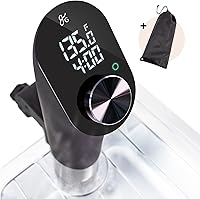
The Anova Precision Cooker Nano circulates water at the set temperature with an accuracy of about 0.1°C (0.2°F), and pork is one of the foods Anova names for sous vide cooking. That matters because pork turns dry quickly when it passes its target temperature in a pan or oven.
With the Nano, the meat sits at one temperature and cannot overshoot it. A chop set to 140°F (60°C) cannot climb to 160°F while you are distracted, so the center stays pink and juicy.
The 12.8-inch body fits in a kitchen drawer and clamps to any stock pot or container. For pork recipes, the free Anova app is handy because it keeps cook times and temps close at hand while you prep sides.
What are the basic sous vide pork times and temperatures?
Start with the cut, not the recipe. Chops and tenderloin cook at 140°F (60°C) for 1 to 4 hours, while ribs and shoulder take much longer at a lower temperature.
The table below covers the everyday cuts most home cooks buy.
| Pork cut | Temperature | Time |
|---|---|---|
| Pork chop, 1 inch | 140°F (60°C) | 1 to 4 hours |
| Pork tenderloin | 140°F (60°C) | 1.5 to 4 hours |
| Pork loin roast | 140°F (60°C) | 3 to 6 hours |
| Baby back ribs | 155°F (68°C) | 12 to 24 hours |
| Pork shoulder | 155°F (68°C) | 12 to 24 hours |
Raise any of these by 5°F if you want pork with no pink. The Anova app lists similar guidance and sends a notification when the cook finishes.
If your first bath stays cold, our fix for Anova sous vide not heating water walks through the likely causes before you blame the recipe.
How do you cook a juicy pork chop in the Nano?
Season the chop, seal it, and cook it at 140°F (60°C) for 1 to 4 hours, then pat it dry and sear it hard. A 1-inch chop is done in an hour but stays tender for several hours, so timing is forgiving.
- Pat the chop dry and season both sides with salt and pepper.
- Seal it in a bag with a pat of butter or a sprig of thyme if you like.
- Clip the bag to the pot and set the Nano to 140°F (60°C).
- Cook for at least 1 hour and up to 4 hours.
- Remove the chop, dry it well, and sear 1 to 2 minutes per side.
Don't skip the drying step. Wet meat steams in the pan instead of browning, and a pale crust is the usual reason home cooks are unhappy with their first pork cook.
Should you brine or dry-brine pork first?
A dry brine of salt for 1 to 4 hours before bagging improves browning and seasoning. Sprinkle about ½ teaspoon of kosher salt per chop and leave it uncovered in the fridge.
Skip wet brines for sous vide, since the bath already keeps the meat moist.
How do you cook pork tenderloin and loin in a water bath?
Cook tenderloin at 140°F (60°C) for 1.5 to 4 hours and loin roast at the same temperature for 3 to 6 hours. Tenderloin is thin and lean, so keep the time near the low end and sear it quickly to avoid drying the outside.
For a loin roast, tie it to an even thickness and bag it with a little oil and crushed garlic. A 2 to 3 pound roast needs 3 to 4 hours to heat through evenly.
Slice it against the grain after searing.
The long bath does the work, so you can hold the roast for an extra hour while vegetables finish. A covered bath is a real help here, because a 4-hour cook loses noticeable water from an open pot.
Which container and torch make pork cooks easier?
A covered 12-quart container and a kitchen torch handle the two weak points of pork sous vide: evaporation on long baths and a fast, even sear. The EVERIE container reduces water loss and heat escape during overnight rib cooks.
The Iwatani torch adds color to a roast without heating the whole kitchen.
Best for everyday pork cooks
The EVERIE EVC-12 holds 12 quarts, fits the Anova Nano 750W and 800W models, and has a split-hinge lid you can open to check the pork or top up water. Its NSF-approved container suits steaks, chops, ribs and jars.
Best for a fast finish
The Iwatani PRO2 reaches up to 2700°F with a flame you can adjust in size and shape, plus a stabilizing stand. It browns a tenderloin or crisps rib tops in minutes.
Butane fuel is not included, so buy a can before your first cook.
How do you sear pork after the water bath?
Dry the pork thoroughly, heat your pan or torch very hot, and sear for under 2 minutes per side. The bath already cooked the meat, so the sear is only for color and crust.
A cast iron pan or a butane torch both work; the torch gives more control on irregular shapes like a rack of ribs.
For pan searing, use a high-smoke-point oil and let the pan preheat until it just smokes. Lay the chop down and don't move it for a minute so a crust forms.
Flip once and finish with butter and thyme if you want a pan sauce.
With a torch, work the flame across the surface in steady passes and keep the tip moving. A brief rest of 2 to 3 minutes lets juices settle before slicing.
New to the method? Our sous vide for beginners guide covers bagging and sealing in more detail.
How do you cook ribs and pork shoulder in the Nano?
Cook baby back ribs at 155°F (68°C) for 12 to 24 hours, and pork shoulder at the same temperature for 12 to 24 hours. The long, gentle bath breaks down connective tissue while keeping the meat moist.
Coat ribs with a dry rub before bagging and add a splash of cider vinegar to the bag.
For shoulder, cut a 3 to 4 pound piece into 2-inch chunks so it heats evenly, then shred it after the bath. A 12-quart container handles a rack of ribs laid flat or a shoulder cut into pieces.
The trade-off is time. These cooks suit a weekend or an overnight plan rather than a weeknight.
If you are choosing between appliances for a long cook, our comparison of sous vide vs pressure cooker explains which one suits ribs and which suits quick weeknight meals.
How do you keep pork safe in the bath?
Use a bath temperature of at least 140°F (60°C) for fresh pork and keep the meat fully submerged. Cook pork to a safe internal temperature before serving, and do not hold fresh pork below 130°F (54°C) for long periods.
The 140°F chop setting sits above that line.
Keep the bag under water with the cooker's clamp or a rack so no part floats above the surface. Check the water level during cooks longer than 4 hours and top up with hot water.
Chill any pork you won't eat right away in an ice bath before storing it.
For a poultry version of this method, see our Anova Culinary Nano sous vide poultry recipes.
Which Anova Culinary Nano pork recipe should you cook first?
Start with the 140°F pork chop, because an hour in the bath gives you a juicy result and a quick sear teaches the finishing step. Move on to tenderloin once the chop is reliable, then plan an overnight rib cook when you have the time.
The Anova Precision Cooker Nano 2.0 is the cooker these recipes are built around. Pair it with the EVERIE container for long baths and the Iwatani torch for the crust.
Together they cover the whole Anova Culinary Nano sous vide pork recipes routine, from raw chop to seared plate.
Frequently asked questions
What temperature is best for pork chops in a sous vide bath?
Set the bath to 140°F (60°C) for pork that is juicy but still a little pink in the middle. Raise it to 145°F (63°C) if you prefer meat with no pink at all.
Hold either temperature for at least 1 hour before searing.
Can I leave pork in the water bath all day?
Yes, for many cuts. A pork chop or tenderloin stays tender for 1 to 4 hours, while shoulder and ribs can run 12 to 24 hours.
Long baths are where a covered container helps, because less water evaporates over the hours.
Does pork need to rest after sous vide cooking?
A short rest of 2 to 3 minutes after searing helps the juices settle, but sous vide pork needs far less rest than oven-roasted meat. Sear it straight from the bag and serve it while it is hot.
How do I stop the pork from drying out when I sear it?
Pat the meat very dry, get the pan or torch very hot, and keep the sear under 2 minutes per side. The pork is already cooked through in the bath, so you are only adding color and crust, not cooking it further.
Can I cook frozen pork straight from the freezer?
Yes. Add about 50 percent to the bath time to allow for thawing, and keep the pork sealed in its bag.
A frozen chop that takes 1 hour fresh may need 1.5 hours or more to reach the same doneness.