Best Way to Sear a Sous Vide Steak
The best way to sear sous vide steak is to pat it very dry, then brown it briefly in a very hot pan. A torch can help reach edges and uneven spots, but a skillet gives you more direct contact for an even crust.
On this page (7 sections)
- What is the best way to sear sous vide steak?
- Why should you dry the steak before searing?
- Should you use a skillet or a torch?
- How do you sear sous vide steak without overcooking it?
- What can make a sous vide steak sear poorly?
- Does the sous vide cooker affect the sear?
- Which searing method should you choose?
The best way to sear sous vide steak is to dry it thoroughly and brown it briefly in a very hot skillet. Sear after the water bath so the surface develops a crust without cooking the steak for longer than needed.
A dry surface browns more readily than a damp one. Take the steak out of the bag, pat both sides with paper towels, then move it to the hot pan.
What is the best way to sear sous vide steak?
Use a very hot skillet and a short sear after drying the steak. The pan should be ready before the steak comes out of the bath, so the exterior spends as little time cooking as possible.
Remove the steak from its bag and pat it dry on all sides. If it has been sitting in liquid, let the surface drain before blotting.
Heat a heavy skillet, then sear each broad side briefly. Turn the steak with tongs, and brown the edges if they need more color.
Avoid leaving it in the pan while you prepare sides or sauce.
The bath has already brought the steak to the doneness you chose. A long finishing sear can warm the center more, so focus on browning the surface.
For bath temperatures and cook times, use the sous vide steak temperature and time guide. If you're still learning the setup, sous vide for beginners covers the basic gear and steps.
Why should you dry the steak before searing?
Drying removes surface moisture that can slow browning. A wet steak can release steam in the pan before it develops the crust you want.
Use clean paper towels and blot both sides, plus the edges. Handle the steak carefully so the surface stays intact.
Don't add the steak to a pan that is still heating. Wait until the pan is hot, then lay the steak down with space around it.
Should you use a skillet or a torch?
A skillet is a practical first choice for broad, even contact; a torch can help with edges and spots a pan misses. You don't need both to finish a steak.
A skillet browns the flat sides against a hot cooking surface. A culinary torch gives you a separate flame tool for surface finishing, but it takes attention to keep the flame moving and avoid scorching one area.
When does a torch help searing sous vide steak?
A torch can help when you want to brown edges or touch up uneven areas after using a skillet. It can also be used on foods such as vegetables, fish, and pastries, depending on the torch and its instructions.
The Iwatani PRO2 has an adjustable flame size and shape, one touch piezo ignition, and a stabilizing plate. Butane fuel is not included.
Keep the flame moving and follow the torch's instructions for use and fuel. Choose a skillet instead if you want broad surface contact without handling a torch.
When is a larger flame torch useful?
A torch with adjustable fuel control can suit cooks who want a torch for steak and outdoor tasks such as starting charcoal. The SearPro Charcoal Torch Head is described as compatible with one-pound butane, MAP gas, Bernzomatic, or Coleman propane tanks.
Check the fuel compatibility and use instructions before connecting a tank. Skip a torch if you don't need its other uses or prefer to sear only in a pan.
How do you sear sous vide steak without overcooking it?
Prepare the pan and finishing tools before you remove the steak from the bath. That keeps the finishing step focused on browning rather than extra cooking time.
- Heat the skillet while the steak finishes in the bath.
- Remove the steak and drain away bag liquid.
- Pat the surface and edges dry.
- Sear the broad sides briefly, then touch up the edges.
- Serve soon after the crust forms.
Don't press the steak down with a spatula. Let the hot surface make contact without squeezing out juices.
If you're cooking ahead, see how to reheat food in a sous vide bath. The finishing sear still comes after reheating, once the surface is dry.
What can make a sous vide steak sear poorly?
Moisture, a pan that isn't hot, or a long sear can all work against a crisp crust. Fix the setup before adding the steak.
If the steak is damp, blot it again. If the pan isn't hot, wait rather than extending the sear to compensate.
Avoid crowding the pan with multiple steaks. Cook in batches when needed so each steak has space to make contact with the hot surface.
Does the sous vide cooker affect the sear?
The cooker handles the water bath, while the skillet or torch browns the steak afterward. Pick the cooker based on the bath features you want, then choose a finishing method that fits your kitchen.
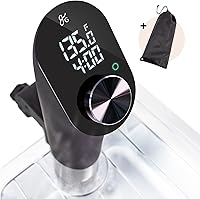
The Breville Joule Turbo uses the Joule app and includes a Turbo feature, visual doneness options, and preset cook guides. Its role is the bath; it doesn't replace a pan or torch for the finishing sear.
If you're comparing cooking methods for steak, read sous vide vs grilling. Grilling adds direct heat as part of the cook, while sous vide separates the bath from the final browning step.
Which searing method should you choose?
For the best way to sear sous vide steak, choose a hot skillet for the broad sides and use a torch only if its extra control or other uses matter to you. Dry the steak first and keep the finishing step brief.
Pick the Iwatani if you want an adjustable culinary torch with a stabilizing plate. Choose the SearPro if adjustable fuel control and charcoal-starting use fit your needs.
If you only want a bath cooker, the Joule Turbo has app features for cooking before the sear.
Use the steak temperature and time guide to plan the bath, then finish with the pan or torch method that suits your setup.
Frequently asked questions
Should you sear steak before or after sous vide?
Sear steak after sous vide for the browned exterior and the doneness you chose in the bath. Pat it dry first, then use a hot pan or a torch to brown the surface briefly.
If you sear before the bath, the crust can soften while the steak cooks in the bag.
How do you get a good crust on sous vide steak?
Dry the steak thoroughly, preheat a heavy skillet until very hot, and sear each broad side briefly. A wet surface steams before it browns, while a long sear can heat the center further.
A torch can help with edges, but keep the flame moving.
Can you use a torch to sear sous vide steak?
Yes, a culinary torch can brown a sous vide steak, especially around edges and uneven spots. Keep it moving and follow the torch instructions, including its fuel and use guidance.
A skillet is another option and provides broad, direct contact with the steak.
Do you need a torch for sous vide steak?
No, a torch is optional. A very hot skillet can brown the steak after the bath, and it works well when you want contact across the broad sides.
Choose a torch if you want a separate finishing tool for edges or other foods.