How to Reheat Food in a Sous Vide Bath
To reheat food in sous vide, set the bath to the temperature you want the food to reach, then warm sealed, chilled portions until the center reaches that temperature. Use a food thermometer to check, and follow USDA guidance for safe reheating.
On this page (8 sections)
- What temperature should you use to reheat food in sous vide?
- How long does sous vide reheating take?
- How do you reheat steak sous vide without drying it out?
- How should you prepare leftovers for reheating?
- What helps keep bags separated in the bath?
- Which sous vide cooker helps with reheating?
- Can you leave food in the bath after it reaches temperature?
- How do you reheat food in sous vide safely?
To reheat food in sous vide, set the bath to the temperature you want the food to reach, then warm sealed, chilled portions until the center reaches that temperature. For leftovers, USDA guidance recommends reheating to 165°F; check the center with a food thermometer.
Sous vide can warm food evenly without the dry heat of an oven, but it doesn't make unsafe storage safe. Start with food that was chilled promptly, keep it sealed while reheating, and avoid leaving it in a warm bath after it reaches the target.
What temperature should you use to reheat food in sous vide?
Use at least 165°F for leftovers if you are following USDA reheating guidance. The bath should be set to the temperature you want the food to reach, and a thermometer can confirm the center is hot enough.
A lower bath can bring food back to a chosen serving temperature, which may help preserve its texture. That choice does not meet USDA's 165°F recommendation for leftovers, so consider the tradeoff before using a lower temperature.
For foods cooked sous vide the first time, reheating is separate from the original cook. Review the sous vide chicken temperature guide for poultry cooking guidance, and use USDA instructions for safe handling.
How long does sous vide reheating take?
Reheat until the thickest part of the food reaches your target temperature. Thickness and the food's starting temperature matter more than a single time that fits every portion.
A thin steak or single chicken breast warms sooner than a thick roast. A group of crowded bags can also warm unevenly if water cannot circulate around each one.
Use a food thermometer to check the center. If the food is still below target, return it to the bath and check again after a little more time.
Can a sous vide reheating chart give an exact time?
A chart can only estimate reheating time because portion shape, thickness, and starting temperature vary. Use it to plan, not as proof that the center is hot enough.
For a practical chart, compare the thickest part of the portion with the bath temperature and allow extra time for food that starts refrigerator-cold. Then verify the center with a thermometer.
Don't treat the original cook time as the reheating time. The sous vide steak temperature and time guide covers cooking steaks, while reheating depends on how cold and thick the portion is.
How do you reheat steak sous vide without drying it out?
Seal the steak in a bag and warm it in a controlled bath, then dry the surface before serving. The time needed depends on thickness, and USDA guidance for leftovers recommends reaching 165°F.
That safety target will take steak past the doneness many people prefer. If texture matters more to you, a lower target may keep the steak closer to its original doneness, but it does not follow USDA's leftover reheating recommendation.
After warming, open the bag carefully and pat the steak dry. For a browned crust, follow our guide to the best way to sear a sous vide steak.
How should you prepare leftovers for reheating?
Chill cooked food promptly in shallow portions and keep it refrigerated until reheating. Smaller portions cool and warm more evenly than one large container.
Keep the food in a sealed, food-safe bag if it is intact and suitable for reheating. If you are unsure about the bag, transfer the portion to a new one before placing it in the bath.
Don't use sous vide reheating to rescue food that sat out too long or was stored at an unsafe temperature. For longer storage, read whether you can freeze food after sous vide cooking.
What helps keep bags separated in the bath?
Leave space around each bag so heated water can flow around it. Overlapping bags can slow warming and make temperatures less consistent.
The EVERIE 12 Qt Container with Rack includes a hinged lid and adjustable divider rack to help organize multiple bags in the bath. Its rack separates pouches so water has more room to circulate.
Use a container large enough for the food and cooker, and keep the water level within the cooker’s marked limits. For container sizing, see what size plastic container works for sous vide.
Which sous vide cooker helps with reheating?
Choose a cooker that can hold your chosen bath temperature and fit the amount of food you reheat. A clear display and simple controls can also make it easier to set the bath accurately.
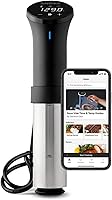
The Greater Goods 1100W Sous Vide has a dial control and a 0.1°F readout, with a stated temperature range of 68–203°F. Its maker describes the cooker as suitable for baths up to 15L.
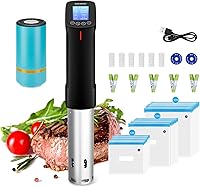
The Inkbird ISV-200W WiFi Sous Vide offers app control and temperature alerts, along with a stated 32–194°F range. It may suit you if you want to monitor the bath from a phone.
Neither cooker determines whether food was stored safely or confirms the center temperature of a portion. Use a thermometer when checking food, and follow food safety guidance.
Can you leave food in the bath after it reaches temperature?
Remove food when it reaches your target instead of holding it in the bath for an open-ended period. Extended warming can affect texture, and a bath cannot correct unsafe storage before reheating.
For safe handling, keep hot food hot if you're serving later, or refrigerate it promptly. Follow USDA guidance for leftover storage and reheating times.
If the food was cooked and chilled for later, keep its handling history in mind. Can you sous vide for too long? explains how extended time in a bath can affect food.
How do you reheat food in sous vide safely?
Start with promptly chilled food, use a bath at your chosen target, and confirm the center with a thermometer. For leftovers, follow USDA guidance to reheat to 165°F.
Choose a lower target only if you accept that it does not meet that recommendation. Warm steak or other delicate portions only until they reach the temperature you chose, then serve promptly.
For better planning, use the steak and chicken temperature guides for original cooking, and use sous vide storage guidance when you need to chill or freeze portions after a cook.
For a bath setup, choose the Greater Goods cooker for dial control, the Inkbird for app monitoring, or the EVERIE container if separating several bags is the main need.
Frequently asked questions
What temperature should I use to reheat food sous vide?
Set the bath to the temperature you want the food to reach, but use at least 165°F for leftovers when following USDA reheating guidance. Lower temperatures may warm food gently, but they don't replace that safety recommendation.
Check the center with a food thermometer, especially for thick portions.
How long does it take to reheat food in a sous vide bath?
Time depends on portion thickness, starting temperature, and bath temperature. A thin, single portion warms faster than a thick roast or a stack of cold packages.
Keep food sealed and check the center with a thermometer rather than relying on a fixed chart time.
Can you reheat steak sous vide?
Yes, you can reheat steak sous vide in a sealed bag, using a bath set to the temperature you want the steak to reach. For safe reheating of leftovers, USDA guidance says to reach 165°F.
That will cook steak more than many people prefer, so plan for the tradeoff.
Can you reheat food in its original sous vide bag?
You can reheat food in its original bag if it stayed sealed, was chilled and stored safely, and the bag is suitable for reheating. If the seal is loose, the bag is damaged, or storage is uncertain, transfer the food to a fresh food-safe bag and follow safe reheating guidance.