Can You Sous Vide in Ziploc Bags?
Yes, you can sous vide in a Ziploc bag if its packaging says it is safe for the temperature and cooking time you need. Keep the seal above water, remove air with water displacement, and follow food safety guidance for the food.
On this page (9 sections)
- Can you sous vide in Ziploc bags safely?
- How do you use water displacement with a zipper bag?
- What should you check before using a Ziploc bag?
- When should you choose another kind of bag?
- Can you sous vide in a glass jar?
- Do you need a vacuum sealer for sous vide?
- What if the bag floats or leaks?
- Can you reuse a Ziploc bag after sous vide?
- Which bag should you choose for sous vide?
Yes, you can sous vide in a Ziploc bag if its packaging supports your cooking temperature and time. Use water displacement to press out air, keep the zipper above the bath, and check that the bag stays sealed throughout the cook.
The key is the specific bag, not just the brand name. Check the package for temperature and use guidance, and choose another container if that information doesn't cover your planned cook.
Can you sous vide in Ziploc bags safely?
A Ziploc bag is an option only when its maker's instructions support your bath temperature and cooking time. Bags can differ by material and intended use, so don't assume a storage or freezer bag is safe for every sous vide cook.
Keep the food in a sound, food-contact bag with a secure closure. Don't use a bag that is torn, cloudy from damage, or unable to stay closed.
Food safety depends on the food, temperature, and time, not only on the bag. Follow trusted food safety guidance and a reliable recipe for your food, including safe handling before and after cooking.
If you're new to the process, start with sous vide for beginners for the basic equipment and cooking steps.
How do you use water displacement with a zipper bag?
Lower the open bag slowly into the water to push air out, then seal it with the zipper above the waterline. This method can remove most air without a vacuum sealer.
- Add the food to a bag that's suitable for the cook.
- Close most of the zipper, leaving a small opening.
- Lower the bag slowly into the bath, keeping the opening above the water.
- Let water pressure push air up and out, then close the zipper.
- Secure the bag so the opening stays dry and the food remains covered.
Don't let the bag rest against a heating element or a hot surface. Keep the water level within your circulator's marked range, and check that the food stays submerged.
For more ways to keep a bag in place, see how to keep sous vide bags submerged.
What should you check before using a Ziploc bag?
Check the bag's material, temperature guidance, seal, and condition before the bath starts. If any of those are unclear, use a purpose-made sous vide bag instead.
The cook's duration matters too. A bag that seems fine during a short cook may not be suited to a much longer one, so use the manufacturer's directions for the full planned time.
Avoid overfilling the bag, which can make it hard to remove air and close the zipper. Leave enough room to position the food in a single layer when the recipe calls for it.
When should you choose another kind of bag?
Choose a bag made for sous vide when the zipper bag's temperature or duration guidance is missing or unsuitable. A reusable silicone bag is one option for cooks who want to avoid disposable zipper bags.
Platinum Pure's silicone bags use water displacement and are designed to remain open at the top during cooking. The maker says the bags are reusable and dishwasher safe.
Keep the bag opening above water and secure it to the side of the container as directed. It's a better fit when you cook often and want a reusable bag, but it may not suit you if you need a sealed vacuum bag.
Can you sous vide in a glass jar?
A glass jar can suit foods that are cooked in a jar, but it isn't a direct substitute for a flexible bag. Use a jar only when your recipe and the jar's care instructions fit the food and cooking method.
Bormioli Rocco's Fido jar has a clamp lid and rubber seal and is described for storage and preserves. Its listed uses don't mean it is intended for sous vide cooking, so choose a bag made for the bath unless you have reliable guidance for jar cooking.
Don't tighten a jar lid beyond the recipe's instructions. Glass can also be awkward for foods that need to lie flat or for cooks who rely on water displacement.
Do you need a vacuum sealer for sous vide?
No, a vacuum sealer isn't required when you can remove air with water displacement. A sealer may be useful for bags designed to work with one, but follow the bag's instructions.
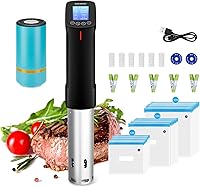
The Inkbird ISV-100W bundle includes reusable vacuum bags, a hand pump, sealing clips, and bag clips. It also includes a cooker, so it may suit someone who wants those pieces together rather than only a replacement bag.
The bundle's included bags and pump are useful if you want to use its vacuum-bag setup. If you already have a circulator and only need bags, compare the included items with what you own before choosing it.
What if the bag floats or leaks?
A floating bag needs to be repositioned so food stays under the water, while a leaking bag should be removed and replaced. A loose zipper, trapped air, or a bag touching the pot can cause trouble.
Keep the closure above the water, use a clip to secure the bag, and avoid crowding the bath. If you need a different vessel, review whether you can sous vide in a pot and check that it fits your circulator and cook.
Don't keep cooking in a bag that has opened or leaked. Follow safe food handling guidance for any food that contacted bath water.
Can you reuse a Ziploc bag after sous vide?
Reuse a zipper bag only if its maker's instructions allow it and the bag remains clean and intact. Bags used for raw meat, fish, or eggs need particular care, and a damaged or stretched seal is a reason to discard one.
A dedicated reusable sous vide bag may be a better match if you cook often. Check that its care instructions and cooking method fit your routine.
Which bag should you choose for sous vide?
For sous vide cooking in Ziploc bags, use one only when its package supports the temperature and duration you plan to use. Water displacement works without a vacuum sealer, as long as the zipper stays above water and the food remains submerged.
Choose the Platinum Pure silicone bag if you want a reusable option designed for water displacement. Choose the Inkbird bundle if you want a cooker and vacuum-bag tools together.
Use the Bormioli jar only for a recipe that specifically calls for jar cooking.
For your first cook, follow sous vide for beginners and use a recipe with clear time and temperature guidance.
Frequently asked questions
Can you sous vide in regular Ziploc bags?
You can use a Ziploc bag only if its packaging supports the temperature and duration of your cook. Use water displacement to push out air, keep the zipper above the water, and check the bag during cooking.
If the packaging gives no suitable guidance, use a bag made for sous vide.
Do Ziploc bags melt in sous vide?
A bag's heat limit depends on its material and manufacturer guidance, so don't assume every Ziploc bag is suitable for every sous vide temperature or duration. Check the package before cooking, keep the bag away from a hot pot surface, and stop if it softens, leaks, or loses its seal.
Do you need to vacuum seal food for sous vide?
No. Water displacement can press air out of a suitable zipper bag without a vacuum sealer.
Lower the open bag slowly into the bath so water pushes air toward the top, then close the zipper while keeping it above the water.
Can you use a Ziploc bag more than once for sous vide?
Follow the bag maker's care and reuse instructions. A bag that held raw meat, fish, or eggs should not be reused for another cook unless its instructions specifically allow safe cleaning for that use; discard bags with damage or a weak seal.