How to Sous Vide Salmon With an Anova
Cook salmon sous vide at 115°F for soft, silky flesh or 130°F for a firm, flaky fillet, and hold it there for 30 to 45 minutes. Use the Anova Precision Cooker to hold that bath steady, then sear the skin or top for a minute.
On this page (8 sections)
- What temperature should you set for salmon?
- How long does salmon take in the Anova bath?
- How do you bag and season the fillets?
- Do you need a container, rack or sleeve?
- How do you finish the fillet after the bath?
- How should you handle skin, portions and leftovers?
- Is a butane torch worth having for this?
- What should you try next?
Cook salmon sous vide at 115°F for soft, silky flesh or 130°F for a firm, flaky fillet, and hold it there for 30 to 45 minutes. The Anova Precision Cooker holds that bath steady, so the fish never crosses into dry, chalky meat.
Anova sous vide recipes salmon cooks turn to most are simple: season, bag, bathe and sear. The machine does the hard part, which is keeping the water within a degree for the whole cook.
What temperature should you set for salmon?
The answer is a texture choice, not a safety question. Set the bath by how you want the fish to eat, then use time to finish the job.
- 115°F: very soft, glossy and barely set, closer to sashimi with warm edges.
- 120°F: soft and buttery, the setting many chefs choose for restaurant plates.
- 125°F: a middle ground that firms up while staying moist.
- 130°F: firm, flaky and easy to flake with a fork.
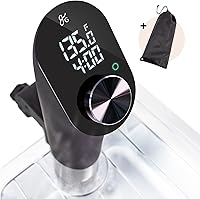
The Precision Cooker 3.0 reaches any of these in minutes and reads the set point on its two-line touch screen, so you can check the actual temperature at a glance. Its upper limit of 197°F matters more for vegetables and custards than for fish.
Pick one temperature and keep it fixed. Changing the dial mid-bath only makes the result uneven.
How long does salmon take in the Anova bath?
Plan on 30 to 45 minutes for a fillet about 1 inch thick. Thin tail pieces finish at the low end; a thick center cut needs the full window.
Time matters less than temperature for texture, but it is not irrelevant. Past about an hour the flesh starts to soften and the fibers give way, which is the point where the fish turns mushy.
Our guide on whether you can you sous vide for too long walks through the safe window for fish.
For frozen fillets, add 15 to 20 minutes and keep the temperature the same. A fridge-thawed fillet is the better starting point if you want an even edge-to-edge result.
How do you bag and season the fillets?
Salt lightly, then bag the fillets flat with a thin coat of oil. Thirty minutes of dry brining firms the surface and helps the fish hold together.
- Pat each fillet dry with paper towels.
- Salt both sides and rest for 15 to 30 minutes.
- Rinse the salt off, then pat dry again.
- Add a thin film of olive oil and a few dill sprigs or lemon slices.
- Seal in a vacuum bag or a freezer bag with the air pressed out.
Lay the bags flat so each fillet sits in a single layer. Stacked fillets cook unevenly because the inner piece warms more slowly.
If you are working without a vacuum sealer, our piece on whether you can you sous vide in Ziploc bags covers the water-displacement method and which bags hold up.
Do you need a container, rack or sleeve?
A dedicated container is not required, but it makes the cook easier to manage. A pot works if it is deep enough for the circulator's minimum water line.
A 12 qt setup gives you room for 4 fillets and keeps the bags from drifting into the intake. The homenote kit bundles the pieces most cooks buy separately.
The rack is the useful part. Salmon bags float, and a floating bag means part of the fillet sits above the water line.
The rack's wavy stainless bars hold the bags under the surface and leave space for water to move underneath. The dividers separate portions so they do not touch, and the crossbar holds the arrangement in place while the water circulates.
The sleeve is a bonus for longer cooks, since it slows heat loss through the tub walls. It matters little for a 40-minute salmon bath but earns its place on 24-hour short ribs.
The clear polycarbonate lets you watch the bags without lifting the lid, and the lid's pre-cut hole fits Anova machines.
Which container kit should you pick?
The homenote kit is built around Anova and ChefSteps machines, so check the hole size against your cooker before buying. It is rated from -40 to 212°F and carries SGS and NSF testing, which matters when a tub sits on the counter for hours.
For salmon alone, a stockpot you already own will do; the kit pays off once you cook four fillets at a time or start running long baths.
How do you finish the fillet after the bath?
Take the fish out, dry it well, and sear one side for about 60 seconds. A dry surface is the whole trick, because wet skin steams instead of browning.
- Lift the fillets from the bath and rest them on a rack for 2 minutes.
- Pat the skin side completely dry.
- Heat a skillet until it just starts to smoke, then add a little oil.
- Press the skin side down and leave it alone for 60 to 90 seconds.
- Season with flaky salt and serve.
A torch is the other option, and it suits anyone who wants to avoid a hot pan. The Iwatani PRO2 lets you narrow the flame to a small blue point.
Sweep the flame over the surface rather than holding it in one spot. Keep the torch moving and season after, or the char will turn bitter.
Since the fish is already cooked through, you are only adding color and a bit of extra flavor.
How should you handle skin, portions and leftovers?
Cook skin-on fillets whenever you can, and portion by thickness. The skin protects the flesh during the sear and gives you a crisp layer some people enjoy more than the fish.
Trim thin belly flaps before bagging. They cook faster than a center cut and tend to fall apart by the time the thicker part is ready.
Leftovers keep well because the flesh is already cooked through. Chill the fillets quickly and seal them; our guide on how to reheat food in sous vide covers the gentler bath reheat that keeps the texture close to the first serving.
Salmon does not freeze well after a sous vide cook. The fibers break down further, and the texture suffers on thaw, so plan portions to finish in one or two meals.
Is a butane torch worth having for this?
For skinned fillets and skinless portions, yes; for skin-on fillets, a pan does more. The torch reaches 2700°F and adjusts from a wide soft flame to a tight point, so you can caramelize a glaze or add color around the edges of a portion.
Iwatani includes a stabilizing stand that lets the torch rest safely between passes. The one-touch piezo ignition means no lighter, and the flame locks on with a twist.
Fuel is not included, so buy a can of butane before the cook. The same torch works on crème brûlée and meringues, which is why it shows up in so many sous vide kitchens.
It weighs 2.88 ounces and runs on standard butane canisters, so it stores in a drawer between cooks. For salmon, the torch is a finishing tool, not a replacement for the pan on skin-on fillets.
What should you try next?
Start with 125°F for 35 minutes on a 1-inch fillet, and adjust from there. Anova sous vide recipes salmon style reward small changes, so move the dial 5°F at a time rather than 20.
The Precision Cooker 3.0 is the pick if you want one machine that holds any setting from 32°F to 197°F and reads it on a clear screen. Add the homenote tub and rack once you cook more than two fillets, and pick up the Iwatani torch if you like a charred top.
The Anova app is worth a look too. The free version controls time and temperature from your phone, and the optional subscription feeds chef recipes straight to the cooker.
A two-week free trial is included, so you can decide whether the guided cooks help before paying anything.
Once the salmon is dialed in, take the same method to red meat with our Anova sous vide recipes steak guide. The temperature logic is identical; only the numbers change.
Frequently asked questions
Can you sous vide salmon straight from frozen?
Yes, but add about 15 to 20 minutes to the bath time and expect a slightly softer texture. Thaw it in the fridge overnight for the most even result.
Should you salt salmon before the bath or after?
Salt it 15 to 30 minutes before the bath, then rinse and pat dry so the cure does not turn the edges firm. A light post-bath salt tastes fresher and is easier to control.
Why did my sous vide salmon turn mushy?
The bath was probably too warm or the fillet stayed in too long. Keep the temperature at 130°F or below and pull the fish at the time for its thickness.
Can you sous vide salmon in the bag it came in?
No, use a food-safe vacuum bag or a freezer bag rated for heat. Store bags and printed films are not made for a water bath.