Can You Freeze Food After Sous Vide Cooking?
Yes, you can freeze food after sous vide cooking if you chill it quickly in an ice bath, then freeze it promptly. Keep it sealed, label it, and thaw or reheat it safely.
On this page (8 sections)
- Can you freeze sous vide food after cooking?
- How do you chill sous vide food before freezing?
- Should you freeze food in the sous vide bag?
- How long can sous vide food stay refrigerated before freezing?
- Does freezing change sous vide food's texture?
- How do you thaw and reheat frozen sous vide food?
- What supplies help with freezing sous vide portions?
- What is the safest way to freeze food after sous vide cooking?
Yes, you can freeze food after sous vide cooking if you chill it quickly in an ice bath, then freeze it promptly. Keep the food sealed, label the package, and thaw or reheat it safely.
Sous vide cooking doesn't make food shelf-stable. The cooling and storage steps still matter, especially for meat, poultry, fish, and cooked vegetables.
Can you freeze sous vide food after cooking?
Yes, freeze sous vide food after chilling it quickly and keeping it sealed. An ice bath helps move cooked food out of the temperature range where bacteria can grow quickly.
Keep the food in its cooking bag if the bag is suitable for freezing and remains intact. If it leaked or you plan to split the food into portions, transfer it to a clean freezer-safe bag.
Freezing preserves food for longer storage, but it doesn't improve food that was mishandled before freezing. For official advice on cooling, refrigeration, and frozen food, see the USDA’s Freezing and Food Safety guidance.
How do you chill sous vide food before freezing?
Put the sealed bag in an ice-water bath as soon as cooking ends. Use enough ice to keep the water cold, and make sure the food is fully surrounded by the bath.
Don't cool a large hot package in a crowded refrigerator or stack it with other warm food. Once the bag is cold, dry it, label it with the food and date, and move it to the freezer promptly.
For a large roast or several bags, cool them in separate portions when practical. Smaller packages chill faster and are easier to thaw or reheat later.
Should you freeze food in the sous vide bag?
You can freeze food in the cooking bag if the bag is made for freezing and its seal is sound. Check the bag maker's care instructions, since bags differ in materials and intended use.
A vacuum-sealed bag can help limit air exposure and freezer burn. If you use a zipper bag, remove as much air as practical, seal it fully, and keep the opening above water during cooking.
Our guide to using Ziploc bags for sous vide explains the water-displacement method and how to keep the seal out of the bath. If you want to re-use a cooking bag, inspect it for pinholes, stretched seals, or food residue first.
Do reusable silicone bags work for freezing?
Reusable silicone bags can be an option for storage when their care instructions allow freezing. Platinum Silicone Sous Vide Bags are designed for sous vide use, use water displacement rather than a sealed zipper, and are dishwasher safe.
Keep the opening above the bath while cooking and secure it to the container. Don't assume every bag design is airtight for freezer storage; follow the bag maker's instructions and check for leaks.
How long can sous vide food stay refrigerated before freezing?
Freeze the food while it is still within safe refrigerated storage time. Sous vide cooking doesn't extend refrigerator life by itself, and the safe period depends on the food and how it was handled.
Refrigerate promptly after chilling, and avoid leaving a bag on the counter while you decide whether to freeze it. For food-specific storage advice, use USDA guidance and any instructions that came with the food.
Use a label with the dish name and freeze date. This simple step helps you use older portions first and avoid guessing what's inside an opaque or frosted package.
Does freezing change sous vide food's texture?
It can. Ice crystals and moisture loss may affect texture after thawing, with delicate fish, vegetables, and tender cuts often showing changes more than sturdy braises or stews.
Freeze portions flat when possible so they stack neatly and thaw more evenly. Leave space around packages in the freezer until solid, then group them together.
Avoid refreezing food that has thawed at room temperature. If it thawed in the refrigerator and remained cold, consult USDA guidance for the specific food and situation.
How do you thaw and reheat frozen sous vide food?
Thaw the sealed bag in the refrigerator or reheat it safely from frozen. Don't leave food out on the counter to thaw.
Reheating from frozen takes longer than reheating a thawed portion. The needed time varies with the food's thickness, shape, and starting temperature, so don't use one fixed time for every bag.
Our guide to reheating food in a sous vide bath covers the process and timing considerations. For steak, use the sous vide steak temperature and time guide to plan the original cook and keep doneness in mind when reheating.
Can you reheat food in the same bag?
You can reheat in the same bag if it's intact and intended for that use. Check the seal before heating, and discard the bag if it has a hole or shows signs of damage.
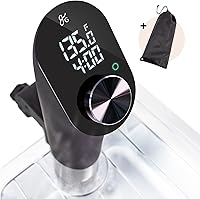
A reusable bag may suit food that you plan to cook, chill, freeze, and reheat in one container. The Inkbird ISV-100W bundle includes reusable bags, a hand pump, clips, and an immersion circulator, which can help organize those steps.
The bundle's app connects to a 2.4 GHz Wi-Fi network for setting and monitoring a cook. That feature is about cooking control; it doesn't replace safe chilling or freezing.
What supplies help with freezing sous vide portions?
A sound bag, a way to chill portions, and a clear label are the essentials. You may already have what you need, so buy only what fills a real gap.
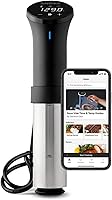
If you want an immersion circulator for cooking portions before freezing them, the Anova Precision Cooker Nano 2.0 attaches to a pot or container and can be controlled on the cooker or through its app.
Choose storage bags based on their stated care instructions and how you portion meals. Our sous vide supplies list covers other basic gear, while the sous vide chicken temperature guide helps with poultry cook planning.
What is the safest way to freeze food after sous vide cooking?
Chill the sealed food quickly, freeze it promptly, and thaw or reheat it safely. Keep it cold between cooking and freezing, and don't treat vacuum sealing or sous vide cooking as a substitute for careful storage.
Choose a reusable silicone bag if you want a bag designed for water displacement and repeat use. Choose the Inkbird bundle if you need a cooker and several storage tools together, or the Anova Nano if app or on-device control is useful for your cooking setup.
For the next step, see how to reheat food in a sous vide bath and follow USDA advice for the type of food you're storing.
Frequently asked questions
Can you freeze sous vide meat after cooking?
Yes. Chill the sealed meat quickly in an ice bath, then freeze it promptly.
Keep the package sealed and labeled, and thaw it in the refrigerator or reheat it from frozen if the food and portion size allow.
Freezing can change texture, especially in delicate foods.
Should you freeze sous vide food in its cooking bag?
You can freeze food in a bag that is suitable for both cooking and freezing, as long as it stays sealed and intact. Check the bag’s care instructions, leave room for liquid expansion if needed, and use a fresh bag if the original is damaged or has leaked.
How long can cooked sous vide food stay in the fridge before freezing?
Refrigerate cooked food promptly after chilling and freeze it while it is still within safe refrigerated storage time. The safe window depends on the food and handling, so follow USDA guidance for that food rather than treating sous vide cooking as extra storage time.
Can you reheat frozen sous vide food without thawing?
Often, yes, if the package is sealed and the portion can heat through safely. Reheating from frozen takes longer than reheating thawed food, and the time depends on thickness and bath temperature.
Follow reliable food safety guidance and avoid leaving food in warm water while it slowly thaws.