Sous Vide Chicken Temps and Times
Choose a sous vide chicken temperature for the texture you prefer, then hold the chicken at that temperature long enough for the center to reach it. Use USDA guidance for safe handling, and chill promptly if you won't serve it right away.
On this page (8 sections)
- What sous vide chicken temperature should you choose?
- How long does chicken need at the bath temperature?
- What USDA guidance should you follow?
- How do you keep chicken bags submerged and separated?
- Which cooker helps hold a steady chicken bath?
- How should you chill and reheat cooked chicken?
- Should you sear sous vide chicken?
- What is the simple rule for sous vide chicken temperature?
For sous vide chicken, choose a bath temperature for the texture you want and allow enough time for the center to reach it. USDA consumer guidance says poultry should reach 165°F, so use reliable food-safety guidance when cooking chicken below that temperature.
The bath temperature is not the whole schedule. Chicken thickness, whether it starts frozen or thawed, and how long it stays at temperature all affect the cook.
What sous vide chicken temperature should you choose?
Pick the bath temperature based on your preferred texture, and follow a reliable time-and-temperature schedule for safety. A lower bath temperature can produce a softer texture, while a hotter bath tends to make the meat firmer.
Many sous vide recipes use temperatures below 165°F with longer holds. That approach depends on the combination of time and temperature, not the temperature alone, so don't improvise a schedule from a recipe that leaves out timing details.
USDA consumer guidance recommends cooking poultry to 165°F, measured with a food thermometer. See the USDA safe minimum internal temperature chart for its standard recommendation.
How does sous vide chicken breast temperature affect texture?
A lower bath temperature generally gives chicken breast a softer, more delicate texture; a higher one makes it firmer. The exact result also depends on the cut and its thickness.
Don't confuse the bath setting with an instant reading at the center. The coldest part of the chicken needs time to warm, and a validated schedule accounts for that heating period.
For a first cook, choose a recipe from a food-safety authority or a trusted sous vide reference that specifies both temperature and time. Keep notes on the texture so you can adjust within a reliable schedule on a later cook.
How long does chicken need at the bath temperature?
The time depends on thickness, starting temperature, and bath setting. A thick breast or a piece that starts frozen needs more time for its center to warm than a thin, thawed piece.
A timer alone can't confirm that chicken was cooked safely. Use a schedule designed for the cut and thickness, and don't shorten it just because the outside looks cooked.
Pack pieces in a single layer with space for water to circulate around them. If bags overlap or are crowded together, the water may not reach every surface as intended.
For steak, temperature and timing work the same way in principle, but the food-safety needs differ. Our sous vide steak temperature and time guide covers steak separately.
Can you use the same time for frozen chicken?
No, use a schedule that accounts for frozen chicken's longer warm-up. A schedule intended for thawed meat may not provide enough time when the center begins frozen.
Keep frozen chicken sealed as it goes into the bath. If a bag leaks, discard the food if you can't tell whether it stayed protected from contaminated water, and clean the bath and nearby surfaces.
What USDA guidance should you follow?
USDA consumer guidance says poultry should reach 165°F, checked with a food thermometer. It also advises keeping raw poultry separate from ready-to-eat food and washing hands and surfaces after handling it.
Sous vide recipes may specify lower temperatures with longer cooking times. Those recipes need a trustworthy time-and-temperature basis; don't assume that holding chicken briefly at a lower setting matches USDA's standard consumer recommendation.
Wash hands with soap and water after touching raw chicken. Keep its packaging and juices away from cooked food, plates, and utensils, and clean any surface that raw juices contact.
For the full USDA guidance, read its pages on safe minimum internal temperatures and chicken from farm to table.
How do you keep chicken bags submerged and separated?
Arrange sealed chicken bags so water can move around each one and keep them submerged. A crowded bath can block circulation and make the cook less consistent.
The Greater Goods 12 Qt Container includes a fitted lid, rack, and insulated sleeve. Its rack is designed to keep bags spaced and submerged, and the container is compatible with most wand-style circulators.
Use the container with or without the sleeve. Check the water level during a long cook, and don't let the circulator run below its minimum fill mark.
If bags float, see how to keep sous vide bags submerged for practical ways to hold them under the water. For smaller setups, what size container works for sous vide can help you choose a bath that fits your portions.
Which cooker helps hold a steady chicken bath?
Choose a circulator with controls that suit how you cook and monitor the bath. For chicken, the useful basics are setting the desired temperature, circulating water, and keeping bags properly submerged.
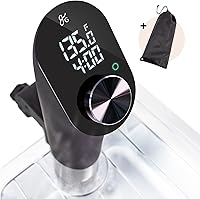
The Anova Precision Cooker 2.0 has app control, an adjustable clamp, and a stated 8-liter-per-minute flow rate. Anova describes it as a water-resistant cooker that circulates water at a set temperature.
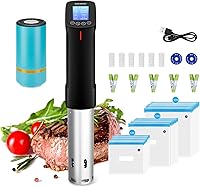
The Inkbird ISV-100W has WiFi app control, a touchscreen, and a stated capacity of up to 15 liters of water. Its controls include temperature and time settings, plus a calibration function.
Neither cooker replaces a food-safety schedule or careful bag placement. Compare the sous vide cooker options for home use if you're still choosing a circulator.
How should you chill and reheat cooked chicken?
Serve chicken promptly, or cool it quickly and refrigerate it. Don't leave cooked chicken at room temperature while you prepare other parts of the meal.
For storage, transfer chicken to a clean container or keep it sealed, then refrigerate promptly. USDA guidance says perishable food should not sit out for more than 2 hours, or 1 hour when the temperature is above 90°F.
Reheat leftovers thoroughly and avoid repeatedly warming and cooling the same portion. Our guide to reheating food in a sous vide bath explains how to warm food while keeping it sealed.
Should you sear sous vide chicken?
A quick sear can brown the surface after the chicken leaves the bath. Pat the chicken dry first, then use a hot pan and a small amount of suitable cooking oil.
Searing is for surface color and flavor; it doesn't replace a safe time-and-temperature schedule. Use clean tongs and a clean plate for cooked chicken, not the ones that touched raw poultry.
What is the simple rule for sous vide chicken temperature?
For sous vide chicken temperature, choose a texture setting, follow a trustworthy time-and-temperature schedule, and handle raw poultry carefully. Use USDA's 165°F consumer recommendation if you want to follow its standard guidance.
Choose the Anova for app control and an adjustable clamp, the Inkbird for WiFi control and a touchscreen, or the Greater Goods container if a rack and fitted lid solve your bath setup. For broader basics, start with sous vide for beginners.
Frequently asked questions
What temperature should I sous vide chicken breast?
There isn't one texture-setting temperature for every chicken breast. Choose a temperature based on your preferred texture, and keep the bath there long enough for the coldest part of the meat to reach that temperature.
Follow USDA safe-handling advice for raw poultry, including preventing cross-contamination and cooking poultry to 165°F.
How long should chicken cook sous vide?
Time depends on the chicken's thickness, starting temperature, and bath temperature. A thicker or frozen piece takes longer for its center to reach the bath temperature than a thin, thawed piece.
Use a reliable time-and-temperature reference for the cut, and don't treat a short timer as proof of safety.
Is sous vide chicken safe below 165°F?
USDA consumer guidance says to cook poultry to 165°F, measured with a food thermometer. Lower-temperature, longer-time methods rely on time and temperature working together to reduce pathogens, so use a tested food-safety schedule from a reliable authority rather than guessing or relying on color.
Can I cook frozen chicken sous vide?
You can cook chicken from frozen if you use a reliable schedule that accounts for the extra time needed for the center to warm. Keep the chicken sealed, prevent leaks, and follow safe handling guidance.
Don't use a thawed-chicken time for a frozen piece.