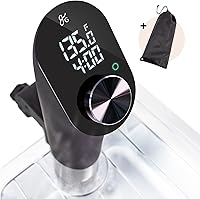
How to Sous Vide a Rump Roast With an Anova
Set your Anova to 135°F (57°C) and cook the rump roast for 8 to 10 hours, then sear it hard in a hot pan or with a torch before slicing. Rump is a lean, working cut, so the long bath does the tenderizing that a quick roast cannot.
On this page (8 sections)
- What temperature and time should you use for rump roast?
- How do you set up the Anova and bag the roast?
- Why does a rump roast need a long cook?
- Can you leave a rump roast in the bath too long?
- How do you sear and slice the roast after the bath?
- What container and accessories make this easier?
- How do you keep the roast safe and handle leftovers?
- Which Anova setup fits your kitchen?
Set your Anova to 135°F (57°C) and cook the rump roast for 8 to 10 hours, then sear it hard in a hot pan or with a torch before slicing. Rump is a lean, working cut, so the long bath does the tenderizing that a quick roast cannot.
That is the short version of anova sous vide recipes rump roast. The rest of this guide covers the time and temperature choices, bagging, searing and what to do with the leftovers.
What temperature and time should you use for rump roast?
Cook a rump roast at 135°F (57°C) for 8 to 10 hours for medium-rare. Rump comes from the rear of the animal and carries a lot of connective tissue, so it needs both the right temperature and enough hours at that temperature to turn tender.
The thickness of the roast matters more than its weight. A roast 2 to 3 inches thick settles into that 8 to 10 hour window nicely.
A thinner roast cooks faster but dries out more easily, so keep it at the lower end of the time range.
Doneness drives the temperature setting:
- Rare: 130°F (54°C), 6 to 8 hours.
- Medium-rare: 135°F (57°C), 8 to 10 hours.
- Medium: 145°F (63°C), 8 to 10 hours, though the meat will be firmer.
Push the temperature higher and you lose the main advantage of sous vide on a lean cut, which is a rosy center from edge to edge. Stay at medium or below for the best result.
How do you set up the Anova and bag the roast?
Fill a container to the cooker's minimum water line, clamp the Anova on, and set 135°F (57°C) before you bag the meat. Getting the bath to temperature first means the roast starts cooking the moment it goes in.
Season the roast generously with salt and pepper a few hours ahead if you can. A dry rub or a paste of garlic, mustard and herbs works well, because the long bath gives the flavors time to settle into the meat.
Bag the roast in a vacuum sealer bag or a heavy freezer bag. If you use a zipper bag, lower it slowly into the water and let the pressure push the air out before sealing.
Our guide on whether you can sous vide in Ziploc bags covers the water-displacement method in detail.
Keep the bag fully submerged. A rack or a few heavy spoons in the container stop it from floating and leaving part of the roast above the water line.
Why does a rump roast need a long cook?
The long bath softens the connective tissue that makes rump chewy. Rump is a hard-working muscle, and its fibers and collagen need time at temperature to break down into something you can cut with a fork.
A short bath at 135°F (57°C) gives you beef that is safely cooked but still tough. Eight hours is roughly where the texture starts to change.
Ten hours is where a modest roast becomes genuinely tender.
This is where sous vide beats a traditional oven roast on this cut. An oven has to run hot enough to brown the outside, which pushes the center past the doneness you wanted.
A water bath holds the whole roast at one temperature for as long as the meat needs.
The trade-off is time. Start a rump roast in the morning for a dinner service, or run it overnight and sear it the next day.
Can you leave a rump roast in the bath too long?
Yes. Past about 12 hours at 135°F (57°C), a small rump roast starts to turn mushy and dry.
The same long cook that softens the collagen eventually breaks down the muscle fibers too far.
The window is generous for a thick roast but narrower for a thin one. Check the meat at the low end of your planned time and pull it when a fork slides in with light resistance.
If your plans change and the roast is already done, drop the bath to 130°F (54°C) to hold it safely for a few more hours. Our post on whether you can sous vide for too long explains the signs and how to hold meat without overcooking it.
How do you sear and slice the roast after the bath?
Pat the roast completely dry, then sear it in a screaming-hot pan or with a torch for 1 to 2 minutes per side. A wet surface steams instead of browning, so drying is the step that makes the crust.
Heat a cast iron pan until it just begins to smoke, add a little high-smoke-point oil, and press the roast down so the whole face makes contact. Turn it with tongs and sear each side in turn.
A culinary torch works well on the irregular surfaces a pan cannot reach. The SearPro torch reaches over 1800°F, which is enough to brown the outside fast without cooking the interior further.
Our guide to Anova sous vide recipes for steak shows the same sear-first, slice-later routine on a smaller cut.
Let the roast rest for 5 to 10 minutes before carving. Slice against the grain into thin pieces; rump slices best at about a quarter inch.
What container and accessories make this easier?
A 12-quart container with a lid and rack keeps the roast submerged and the water level steady over a 10-hour cook. A pot works too, but evaporation and floating bags are more of a hassle.
The homenote kit bundles a clear polycarbonate container, a lid with a pre-cut hole, a stainless steel rack and an insulated sleeve. The sleeve helps hold heat in and cut evaporation, and the rack lifts the bag off the bottom so water circulates around it.
The lid's pre-cut hole is sized for Anova and ChefSteps machines. Measure the opening of any other brand of circulator before you count on the fit.
What does each piece in the kit do?
The clear polycarbonate body resists heat well and stays see-through, so you can check the water level without lifting the lid. The snap-on lid cuts evaporation over a long cook.
The stainless steel rack holds the bag down and leaves space under it so hot water can move around the meat. The neoprene sleeve wraps the outside to slow heat loss.
A cookbook in the bundle walks you through basic technique if this is your first long bath. The container's temperature range runs from -40 to 212°F, so it copes with a 135°F bath without trouble.
How do you keep the roast safe and handle leftovers?
Hold the roast at or above 135°F (57°C) for the full bath time, and chill leftovers fast in an ice bath. That covers both the cooking safety and the storage side of a long cook.
Beef cooked sous vide at 135°F (57°C) for 8 hours or more is pasteurized in the same way as a traditionally roasted joint. Keep the water level above the bag and don't let the bath drop below your set temperature for long.
Cool leftovers in the bag in ice water for about an hour, then refrigerate them within 2 hours of cooking. They keep for 3 to 4 days.
Reheat slices gently. A 130°F (54°C) bath for 10 to 15 minutes warms them without drying them out.
Our guide on how to reheat food in sous vide covers times for other cuts as well.
Which Anova setup fits your kitchen?
For most people cooking rump roast at home, the Anova Precision Cooker 3.0 and the homenote container kit cover the whole job. The cooker holds temperature to the degree for hours, and the kit keeps the roast under water.
The Anova's 1100 watts and 16-liter capacity handle a family-sized roast in a 12-quart bath comfortably. Its two-line touch screen shows time and temperature at a glance, and the removable stainless steel skirt comes off for cleaning.
Anova backs it with a 2-year manufacturer warranty.
The SearPro torch is the optional extra. Buy it if you want a fast, even crust on the roast's rounded sides; a cast iron pan does the same job for less.
The torch runs on a one-pound butane or propane tank, which is not included with the head.
The order to work in for anova sous vide recipes rump roast is simple: set the bath, bag the seasoned roast, cook it slow, dry it well, sear it hot and slice it thin. Follow that sequence and a budget cut comes out tender and pink from edge to edge.
Frequently asked questions
What temperature should I sous vide a rump roast?
135°F (57°C) gives a medium-rare center that stays pink edge to edge. Use 130°F (54°C) for rare and 145°F (63°C) for medium.
Rump is lean, so going past medium costs moisture without adding much tenderness.
How long does a rump roast take in a sous vide bath?
Plan on 8 to 10 hours at 135°F (57°C) for a roast 2 to 3 inches thick. Shorter baths leave the meat chewy, because the connective tissue in a working cut needs time at temperature to soften.
Do I have to sear a rump roast after sous vide?
Yes, if you want a crust. The water bath leaves the surface pale and wet.
Pat it dry, then sear in a very hot pan or with a culinary torch for 1 to 2 minutes per side before resting and slicing.
Can I cook a frozen rump roast sous vide?
Yes. Add roughly 1 hour to the bath time for a roast that went in frozen, and season it before bagging.
A roast 3 inches thick can take 11 to 12 hours from frozen at 135°F (57°C).
Is sous vide rump roast safe to eat?
Yes, when the meat reaches the right temperature and is held there long enough. Beef held at 135°F (57°C) for the full bath time is pasteurized in the same way as a traditionally roasted joint.
Sear it and rest it before slicing.
What is the best way to reheat leftover rump roast?
Warm slices gently in a 130°F (54°C) water bath for 10 to 15 minutes rather than blasting them in a microwave. That keeps the meat from drying out and preserves the pink center.